

The Executive Secretary of the Public Utilities Regulatory Commission (PURC), Dr. Shafic Suleman, has undertaken a working visit to the Eastern Region, during which he engaged staff of the Commission’s Regional Office in Koforidua and inspected two water treatment facilities operated by Ghana Water Limited (GWL) at Kyebi and Bukornor in the Asesewa District. The visit formed part of the Commission’s ongoing efforts to strengthen regulatory oversight, assess operational challenges confronting utility service providers, and gain first-hand insight into issues affecting the delivery of safe, reliable and sustainable water services to consumers.
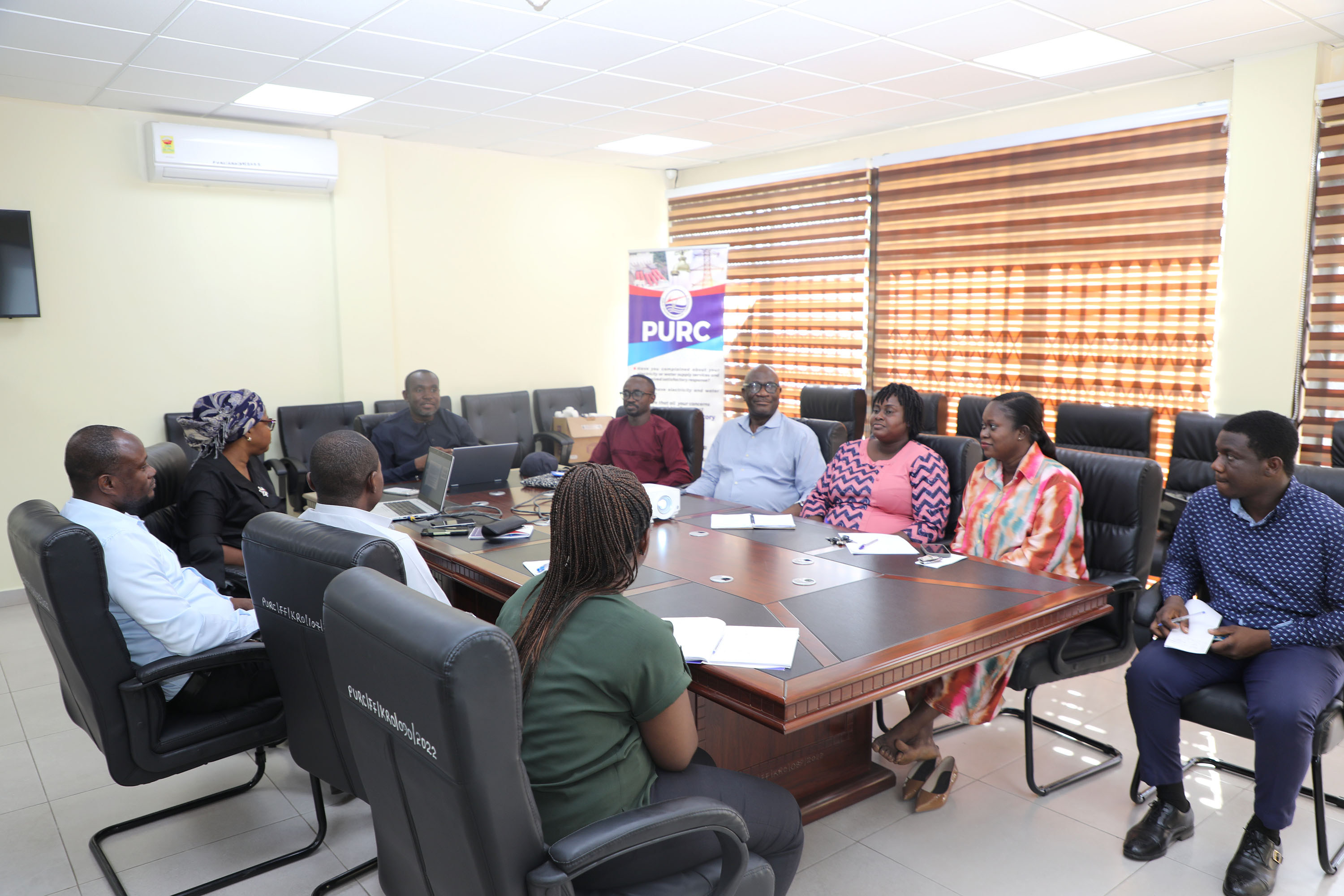
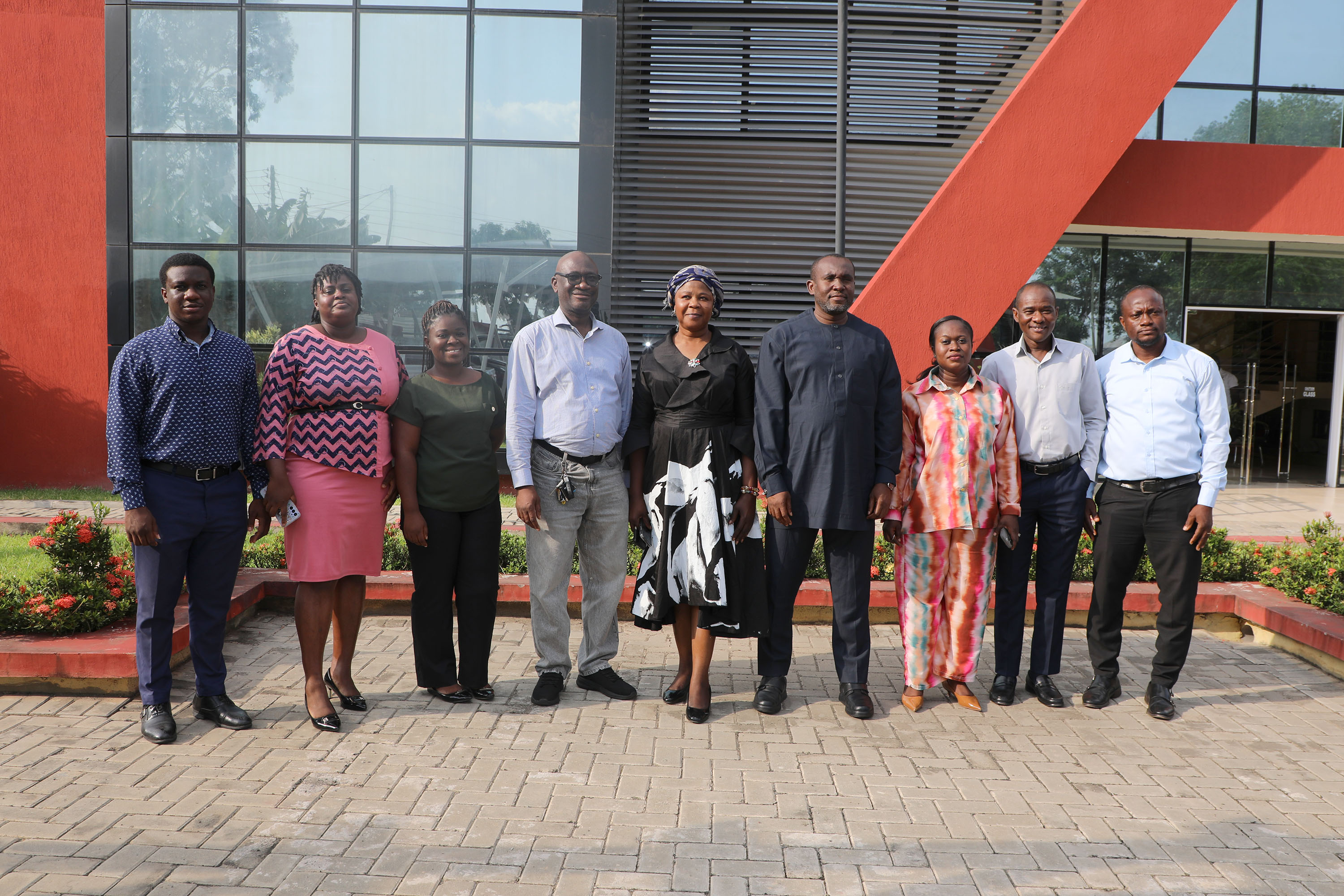
During his interaction with staff of the Eastern Regional Office in Koforidua, Dr. Suleman engaged personnel on the operational activities of the office, regional regulatory priorities and the need to strengthen monitoring and stakeholder engagement to improve service delivery.
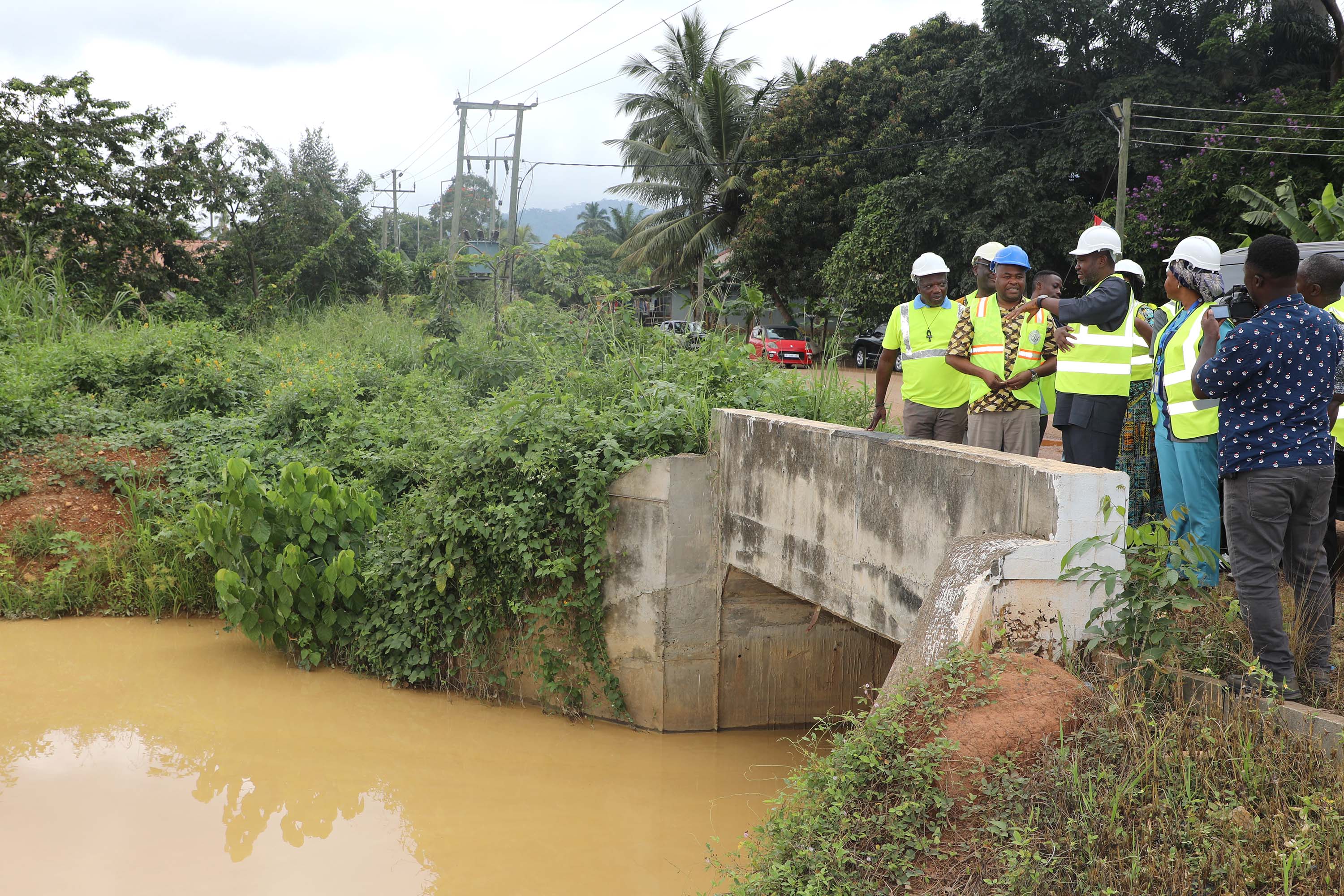
As part of the field activities, the Executive Secretary, accompanied by officials of Ghana Water Limited, visited the Kyebi Water Treatment Plant, where he was briefed on the operational challenges affecting the facility, particularly the increasing levels of turbidity in the raw water at the intake point. The Kibi Water Treatment Plant, which serves approximately 1,300 Ghana Water Limited (GWL) customers, sources its raw water from the Birim River, located about 7km from Anum Apapam. The plant, with a treatment capacity of 2,000m³, has been non-operational for over a year due to the extremely high turbidity level of 63,000NTU in the raw water, resulting from mining activities upstream of the river.
Officials of Ghana Water Limited expressed concern that turbidity levels in the water source had risen beyond the allowable operational threshold, presenting challenges to the treatment process. The situation underscores the difficulties water service providers sometimes encounter in maintaining consistent treatment standards, particularly when the quality of raw water deteriorates. The discussions provided an opportunity for the PURC delegation to appreciate the technical and operational implications of the situation, including the need for appropriate interventions to safeguard water quality and ensure the continued provision of safe water to consumers in Kyebi and its environs.
Dr Suleman further appealed to the traditional leaders, opinion leaders and residents of Kibi to support Ghana Water Limited (GWL) by helping to halt mining activities along the upstream of the Birim River. This, the ES emphasised, would help improve the quality of the raw water and enable GWL to restore operations at the treatment plant to ensure the provision of safe and potable drinking water to the community.
The Executive Secretary subsequently visited the Bukornor Water Treatment Plant in the Asesewa District of the Eastern Region. The visit provided another opportunity to engage officials of Ghana Water Limited on the operational condition of the facility, the challenges associated with water production and the measures required to sustain efficient service delivery. The inspection of the two facilities reinforced the importance of continuous regulatory monitoring and collaboration between the Commission and water service providers in addressing challenges that could affect the quality, availability and reliability of water supply.
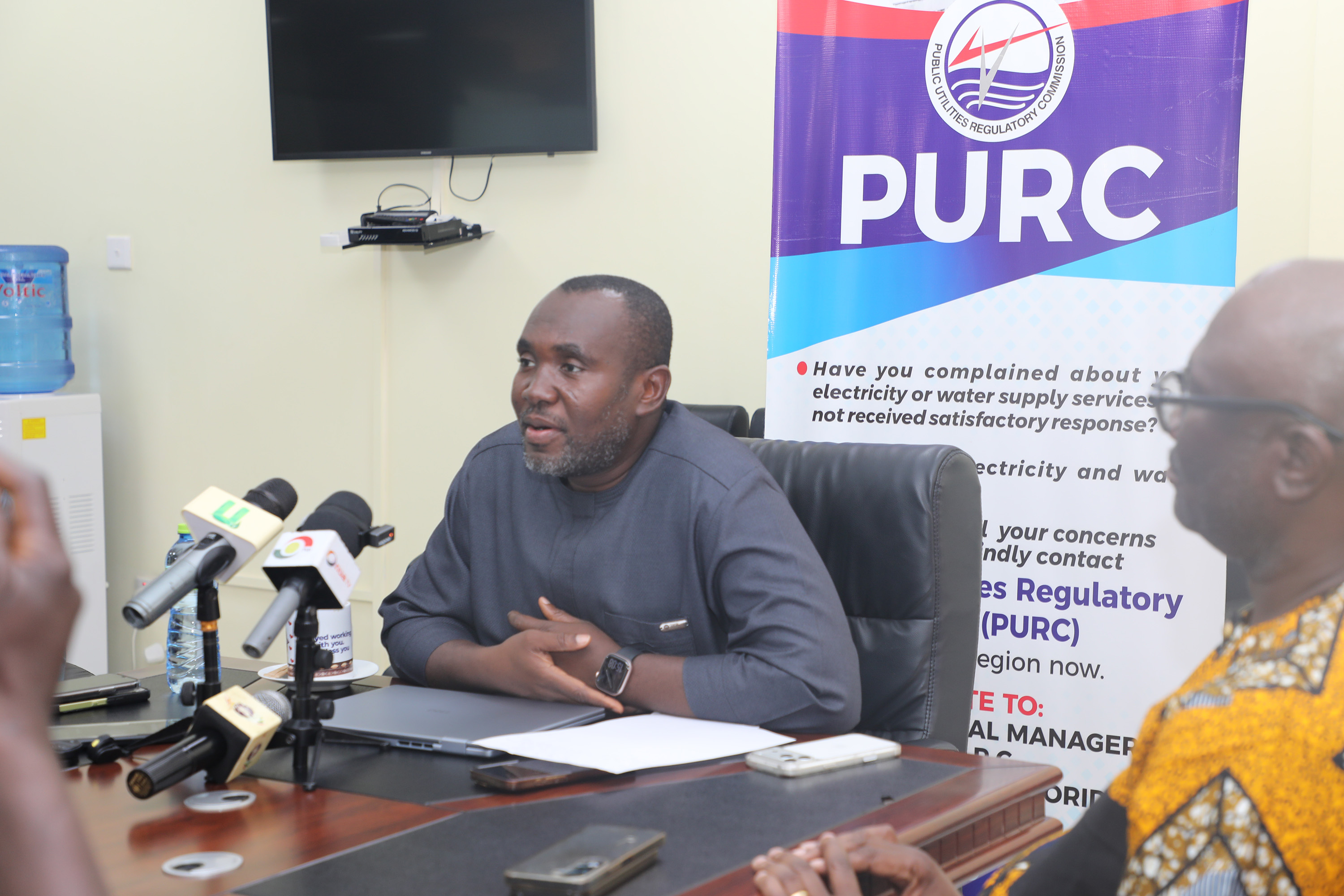
Following the field inspections, Dr. Suleman interacted with members of the media in Koforidua, where he shared observations from his visits to the Kyebi and Bukornor water treatment facilities. The engagement provided an opportunity for the Executive Secretary to brief the public through the media on the operational challenges identified, particularly the concerns surrounding elevated turbidity levels at the Kyebi intake, and the broader implications for water treatment and service delivery. He emphasised the importance of keeping consumers informed about developments within the water sector, while ensuring that issues affecting water quality and supply receive the necessary attention from the relevant institutions.
The media interaction also underscored the Commission’s commitment to transparency, public education and constructive engagement with stakeholders as part of its regulatory mandate.
Through such working visits, the PURC continues to reinforce its commitment to ensuring that utility service providers remain responsive to operational challenges and that the interests of consumers are protected.
The Commission recognises that access to safe and reliable water is fundamental to public health, economic activity and the well-being of communities. Consequently, its engagements with service providers remain an important part of efforts to promote improved standards, accountability and sustainable water service delivery across the country.